

What is a VPN?
VPN stands for Virtual Private Network. But what does that mean? Let’s take a more in-depth look.
What is a VPN
What is a VPN, exactly?
A VPN, short for virtual private network, could be a technology accustomed secure connections from a tool to the net. VPNs create an encrypted haven within a shared network — most frequently public Wi-Fi, broadband carrier, and native area networks — to stay transmitted data private.
VPNs originally came into prominence decades ago as a way for remote workers to access their corporate network for confidential files and secure communication. Today, however, VPN providers like IPVanish offer a straightforward solution for everyday internet privacy and online freedom.
IPVanish Apps
What does a VPN do?
A VPN protects your online connection in order that outsiders with access to the identical network cannot intercept your activity. VPNs secure your internet traffic and conceal your browsing data from common third parties, including cybercriminals, internet service providers, and invasive advertisers.
Does a VPN change your IP address?
An additional advantage of a VPN is its virtual location-changing capabilities. When the VPN is activated, your real IP address is concealed and your public-facing IP address becomes an IP from the VPN.
This side benefit to the privacy technology primarily enables individuals with strictly-regulated internet access to evade wrongfully-applied online censorship and provides secure access to an open internet.
IP-Address
Why do i would like a VPN?
Anonymous
Conceal
Your Activity
Use a VPN to create your IP address disappear
Shield
Secure Your
Internet Connection
Use a VPN to stay your data faraway from third parties
Bypass Censorship
Circumvent
Online Censorship
Use a VPN to fight back against violations of your digital rights
VPNs became a vital tool for people to guard their data online thanks to the prevalence of shared networks. Whether it's an airport hotspot, the local password-protected coffeehouse Wi-Fi, or a wired connection at your job, shared networks mean shared data access. Ultimately any information transmitted during your online session can be at risk of eavesdropping by strangers using the identical network.
Another major reason to use a VPN is to hide your internet traffic from your mobile carrier, ISP, or broadband provider. now not is "I don't have anything to hide" a sound argument against privacy. When the entities who provide your internet access exploit their position by selling personal information and activity habits, it is time to reclaim control of your data.
How to VPN
How to use a VPN:
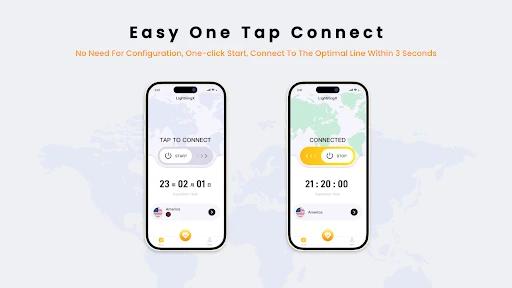
While not all VPNs are created equal in terms of reliability and ease, IPVanish could be a lightweight app that may be enabled on smartphones or computers (along with additional configurations for routers and streaming devices). you just launch the IPVanish VPN app, select a VPN server, and connect. once you see a confirmed "Connected" displayed, you'll know your network access is secure.
3 tips for choosing the simplest VPN server:
IPVanish has over 1,900+ servers. Here's a way to decide which VPN server best for you:
Devices
If you do not need a particular server, let IPVanish choose. The IPVanish VPN app can tell which VPN server is that the fastest for you and automatically connect you to it server.
Speed
Distance, speed, and time are a part of the identical equation. Servers in closer physical proximity to you're likely to be faster than VPN servers located halfway round the world.
Locations
Your IP address controls the web you see. So, if you wish to evade local censorship, select an IP from a part removed from your own. Similarly, if you would like to access the net of a selected country, pick a server from that country.
How does a VPN work?
IPVanish VPN works by establishing an encrypted connection via a tunneling protocol to transmit the information that leaves your device — both the knowledge about your device likewise because the contents of your internet traffic.
IPVanish gives you the power to surf the net safely and anonymously
Within milliseconds, your data passes through whichever one amongst our VPN servers you choose, and its sender — identified by IP address — gets relabeled. Once your data exits our servers, it continues onto its final destination. the top point, meaning the web site you're visiting or the app you're using, will see the VPN server because the traffic origin, not you.
When to VPN
When to use a VPN:
It's crucial to use a VPN once you handle counseling over a public network. that would mean data as sacred as medical records and financial data, or as everyday as personal email. If you propose to handle, access, or use information that you just don't want intercepted, then you ought to be employing a VPN.
It's also an honest idea to do a VPN if you discover that you're denied access to data without cause. Whether you're sharing a company network and your page requests timeout, or you're traveling and find restrictions to everyday tools, a VPN can often sidestep these blocks.
How to choose a VPN provider:
There are many VPN providers out there, so it may be overwhelming choose the correct one for you. Ask these questions when you're choosing your provider.
No Logs
What is their logging policy? the foremost important answer you would like to understand is whether or not or not your VPN provider truly respects your privacy. Ideally, your VPN should have a no-log policy, which implies that they do not track or log your online activities. IPVanish maintains a strict, zero-logs policy to make sure user privacy is protected.
Global Servers
Where are their servers? you do not need a VPN service that can't get where you would like it to be. Determine which server locations are most significant to you before committing to a provider. IPVanish operates a worldwide network of VPN servers, so there's always a VPN server within the location you would like.

 Reviewed by skytechak
on
December 16, 2021
Rating:
Reviewed by skytechak
on
December 16, 2021
Rating:


No comments: